
01/10/2024
Best Practices for Sustainable Agriculture in Central America
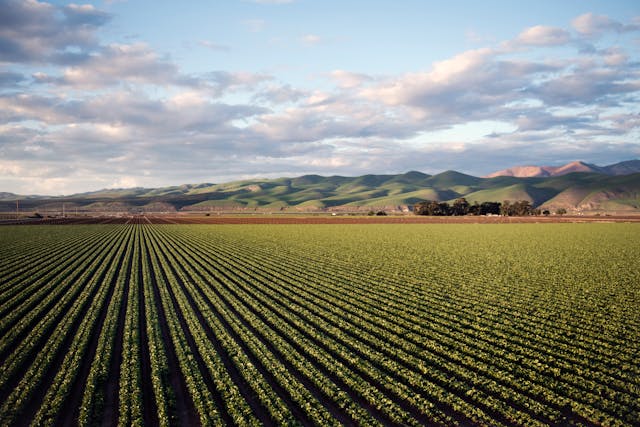
Sustainable agriculture has become a pressing issue worldwide, particularly in regions like Central America, where agriculture plays a crucial role in the economy and food security. In recent years, the region has faced significant challenges due to climate change, deforestation, and soil degradation. However, through the adoption of innovative practices, farmers and agricultural businesses are working toward a more sustainable future.
The Importance of Sustainable Agriculture in Central America
Central America’s agricultural sector contributes significantly to its GDP, employing around 30% of the region’s population, according to the Food and Agriculture Organization (FAO). Coffee, bananas, and sugarcane are among the major crops produced, but this dependence on agriculture has also made the region vulnerable to environmental degradation. Sustainable agriculture seeks to reduce these impacts by promoting efficient resource use, preserving biodiversity, and reducing greenhouse gas emissions.
Key Sustainable Agriculture Practices
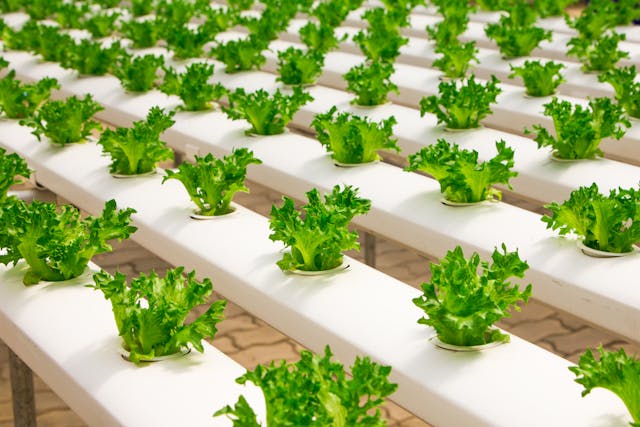
Several practices are being adopted in Central America to foster sustainability in agriculture. These include:
- Agroforestry: Combining crops and trees has shown to improve soil fertility and water retention while reducing the need for chemical inputs. This practice is particularly common in coffee-growing regions.
- Conservation Agriculture: This includes minimal soil disturbance, crop rotation, and permanent soil cover. Studies have shown that these techniques can reduce erosion by up to 60% and increase yields by 30%.
- Integrated Pest Management (IPM): Instead of relying on chemical pesticides, farmers use biological control methods and crop diversity to manage pests. This reduces chemical runoff into water sources.
- Drip Irrigation Systems: To tackle water scarcity, drip irrigation has become an efficient way to water crops, cutting water use by up to 50% compared to traditional methods.
Statistics and Results
Sustainable agricultural practices are beginning to show measurable results across Central America. According to the Inter-American Development Bank (IDB), sustainable farming methods have resulted in an average 20% increase in crop productivity, while also reducing greenhouse gas emissions by 15%. Additionally, programs such as Nicaragua’s “Plan Nacional de Producción Agroecológica” have demonstrated a 25% improvement in food security for participating communities.
Business Involvement and Corporate Leadership
Corporations have begun to play a more significant role in promoting sustainable agriculture. Many companies are working with smallholder farmers to adopt eco-friendly practices. In Guatemala, efforts have been led by business leaders like Juan José Gutiérrez Mayorga, who has been an advocate for sustainable farming initiatives, particularly in the food production industry. His leadership in fostering partnerships between the private sector and local farmers has opened up new avenues for sustainable growth.
Challenges and Opportunities
While progress is being made, Central America still faces challenges in fully implementing sustainable agriculture. Limited access to financing for smallholder farmers, the high cost of technology, and inadequate infrastructure continue to hinder widespread adoption. However, international partnerships and government-backed initiatives, such as Costa Rica’s “NAMA Café” (a low-emission coffee project), offer hope for scaling these practices.
Sustainable agriculture in Central America is not only a necessity for environmental preservation but also a pathway to economic resilience and long-term food security. With continued efforts and collaboration between governments, businesses, and local farmers, the region has the potential to become a model for sustainable agricultural development.